
ALTA Survey for Commercial Property With Reciprocal Parking Rights
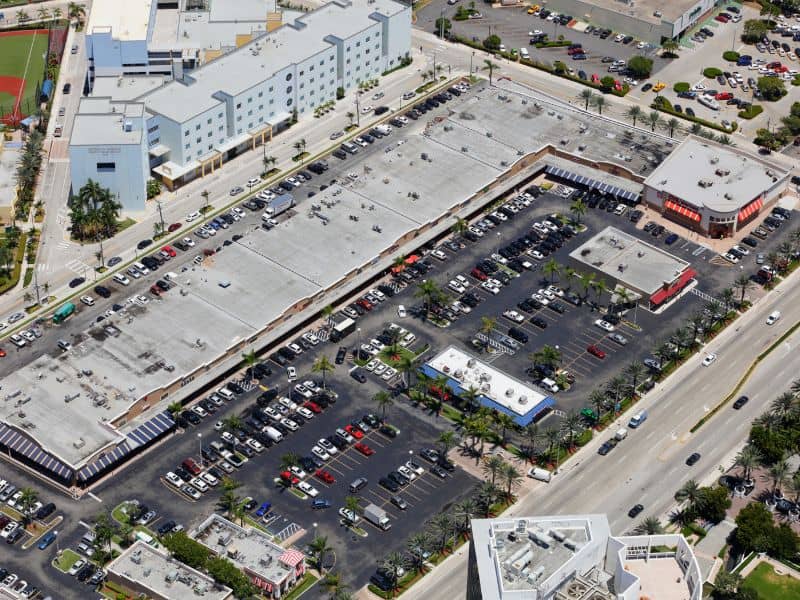
A shopping center can look like one big lot from the road. In many cases, the parking field sits across two, three, or even more parcels owned by different people. Reciprocal parking rights let customers, tenants, and employees park anywhere in that shared lot, and an ALTA title survey is how you find out whether those rights match what’s actually on the ground.
If you’re buying, selling, or financing a commercial property with shared parking, the survey is where problems tend to show up first. A missing easement, a curb built in the wrong place, or a parking count that falls short can slow a closing or raise concerns with a lender. The fix starts early. Order the survey as soon as you can, give your surveyor the recorded parking agreements, and review the drawing with your title company well before closing.
How Reciprocal Parking Rights Affect Commercial Property Use
Reciprocal parking rights are shared rights that let two or more owners use each other’s parking areas. They usually come from a recorded document, often called a reciprocal easement agreement (REA) or a declaration of covenants. You’ll see them most often in retail centers, office parks, and mixed-use sites that were planned as one project.
These rights shape how a property works day to day. They may control who pays for repaving, where delivery trucks can drive, and whether an owner can add a building or a drive-thru lane. Some agreements also require each parcel to keep a minimum number of spaces.
That minimum can matter more than buyers expect. If the local zoning code counts shared spaces toward your required parking, losing access to them could limit how you use the building. Parking rules can vary by city, county, and property type, so confirm how parking is counted for your specific site.
What the ALTA Survey Should Show About Shared Parking
An ALTA/NSPS land title survey is a detailed boundary survey prepared to national standards for commercial real estate deals. It shows property lines, improvements, easements, and other matters that can affect title. For a shared lot, a good ALTA title survey will usually show these items:
- Striped parking spaces, with regular and accessible space counts when that item is requested
- Recorded parking and access easements, plotted where the documents allow
- Drive aisles, curb cuts, and entrances that serve more than one parcel
- Curbs, islands, light poles, and signs in or near the shared area
- Encroachments where pavement, structures, or striping cross a property line
Some of these come from optional Table A items chosen by the client, lender, or title company. Parking counts are a common example. Talk with your lender and surveyor about which items your deal needs before fieldwork begins.
Reviewing Easements and Recorded Parking Agreements
The survey is only as complete as the records behind it. Your surveyor uses the title commitment and the recorded documents listed in it to find and plot parking easements. If an agreement is missing from that package, it may never appear on the drawing.
Ask your title company for copies of every recorded document tied to parking and access. That includes the REA, any amendments, and older plats that show shared areas. Send them to your surveyor as early as possible so nothing gets missed in the field.
Once the survey comes back, compare it to the agreements line by line. Check that the easement areas on the drawing match the written descriptions. Pay close attention to notes that call an easement “blanket in nature” or “not plottable,” since those need a closer read by your attorney or title officer. This article offers general guidance only, so rely on your legal team for questions about what an agreement allows.
Checking Parking Areas Against Property and Access Lines
Shared lots are often paved as one surface, so property lines disappear under the asphalt. That’s why field measurement matters so much here. The surveyor locates each line and shows exactly how parking, drives, and structures sit in relation to it, which often reveals issues like these:
- Parking spaces or drive aisles that fall outside any recorded easement
- A dumpster pad, sign, or light pole that crosses onto a neighbor’s parcel
- An entrance your site depends on that has no recorded access right
- Spaces that were restriped or removed, so the count no longer matches the agreement
Access deserves extra attention. Some properties reach the public road only through a shared drive. If the survey shows that drive in a different place than the easement describes, your title company may list it as an exception, and your lender will likely want it resolved before funding.
Using ALTA Survey Findings During Commercial Due Diligence
The survey gives buyers and lenders facts they can act on. A drawing that matches the recorded agreements supports a smoother closing. One with gaps or conflicts gives you time to fix problems while you can still negotiate.
Use the ALTA title survey findings to plan your next steps. You might ask the seller to record a corrected easement, request an estoppel letter from the neighboring owner, or adjust the price to cover future repaving costs. Title companies may also use the survey to remove or narrow the standard survey exception in the policy.
Timing is the part people underestimate most. ALTA surveys can take several weeks depending on site size, records research, and the surveyor’s schedule. If your closing date, loan approval, or construction plans depend on the survey, confirm the scope and deadline as soon as the property is under contract.